
How Business Gets Done: Korea × Switzerland at On Labs
The Question
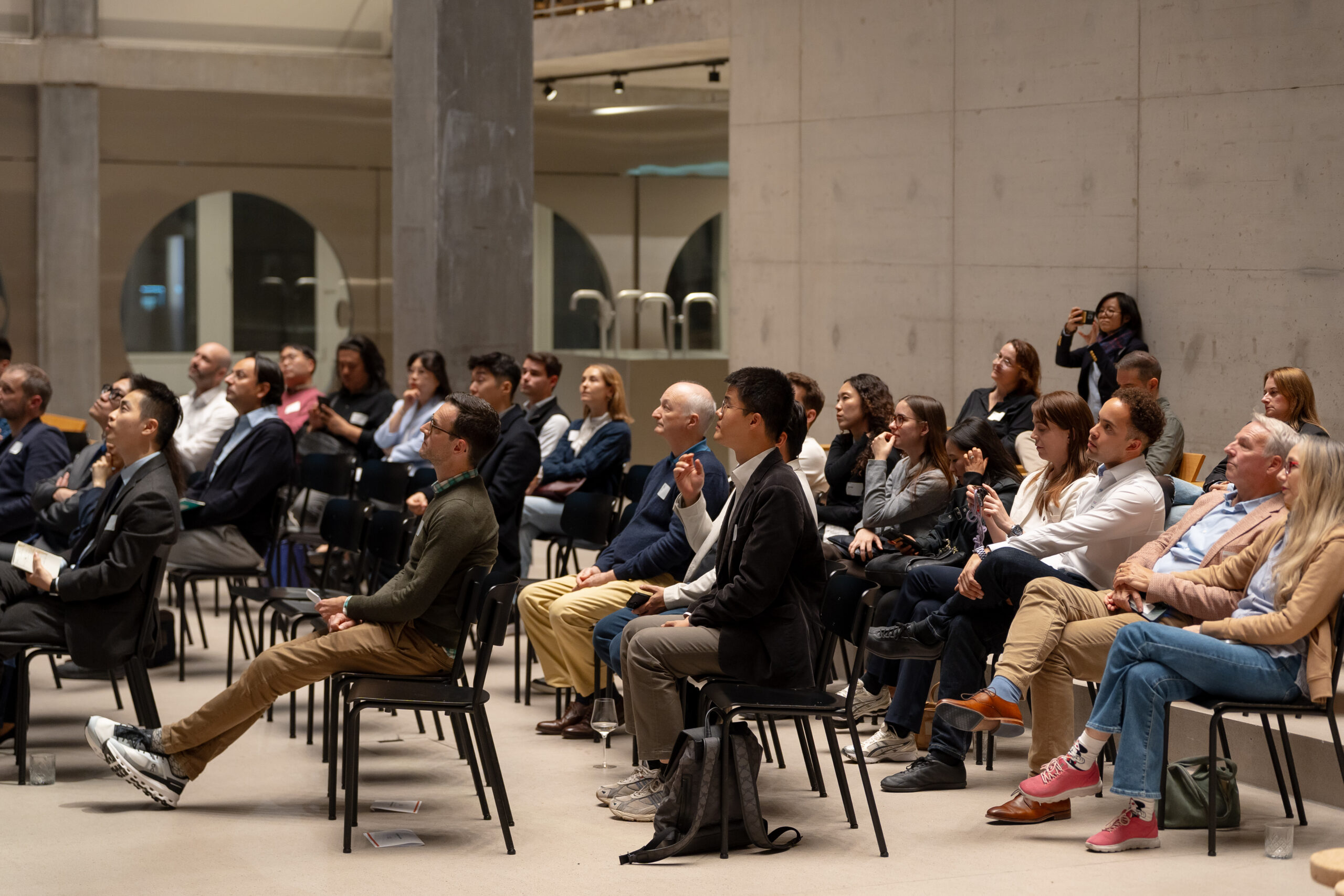
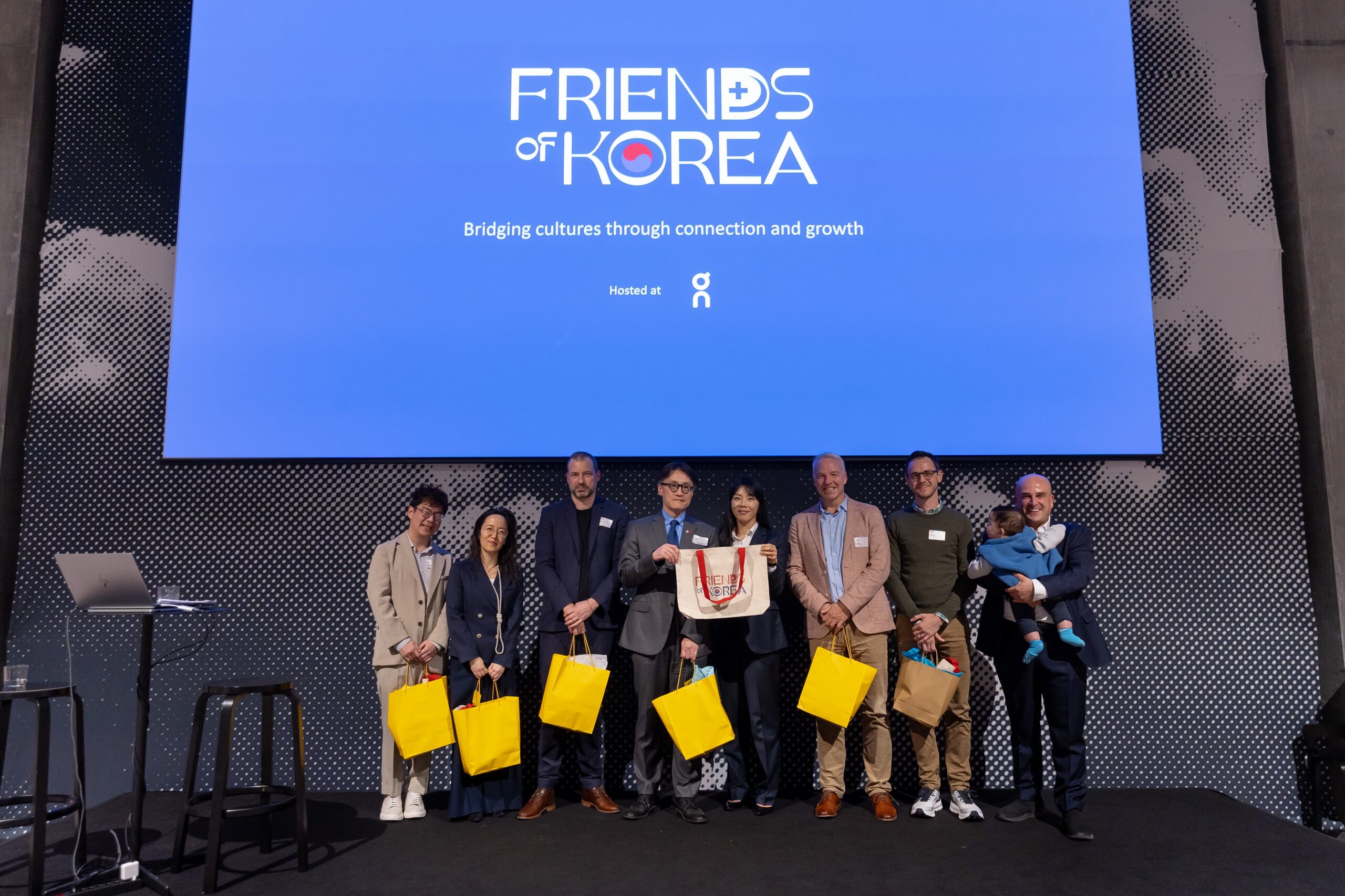
On Thursday, October 22, Friends of Korea hosted How Business Gets Done: Korea × Switzerland at On Labs in Zürich. Representatives of the Korean Embassy, KOTRA, the Canton of Basel-Stadt, On and Genesis came together with people from Swiss and Korean companies to discuss one question: how does business between Korea and Switzerland work in practice? The evening was supported by our sponsors, UFS Insurance Broker AG and Czwalina Consulting AG.
By our own count, around 50 Korean companies operate in Switzerland and more than 100 Swiss companies in Korea, but their people rarely meet in one room. The format was kept short: welcome remarks, brief talks by five speakers, no panel and no Q&A, followed by networking.
A Lab in Zürich, a Machine in Korea
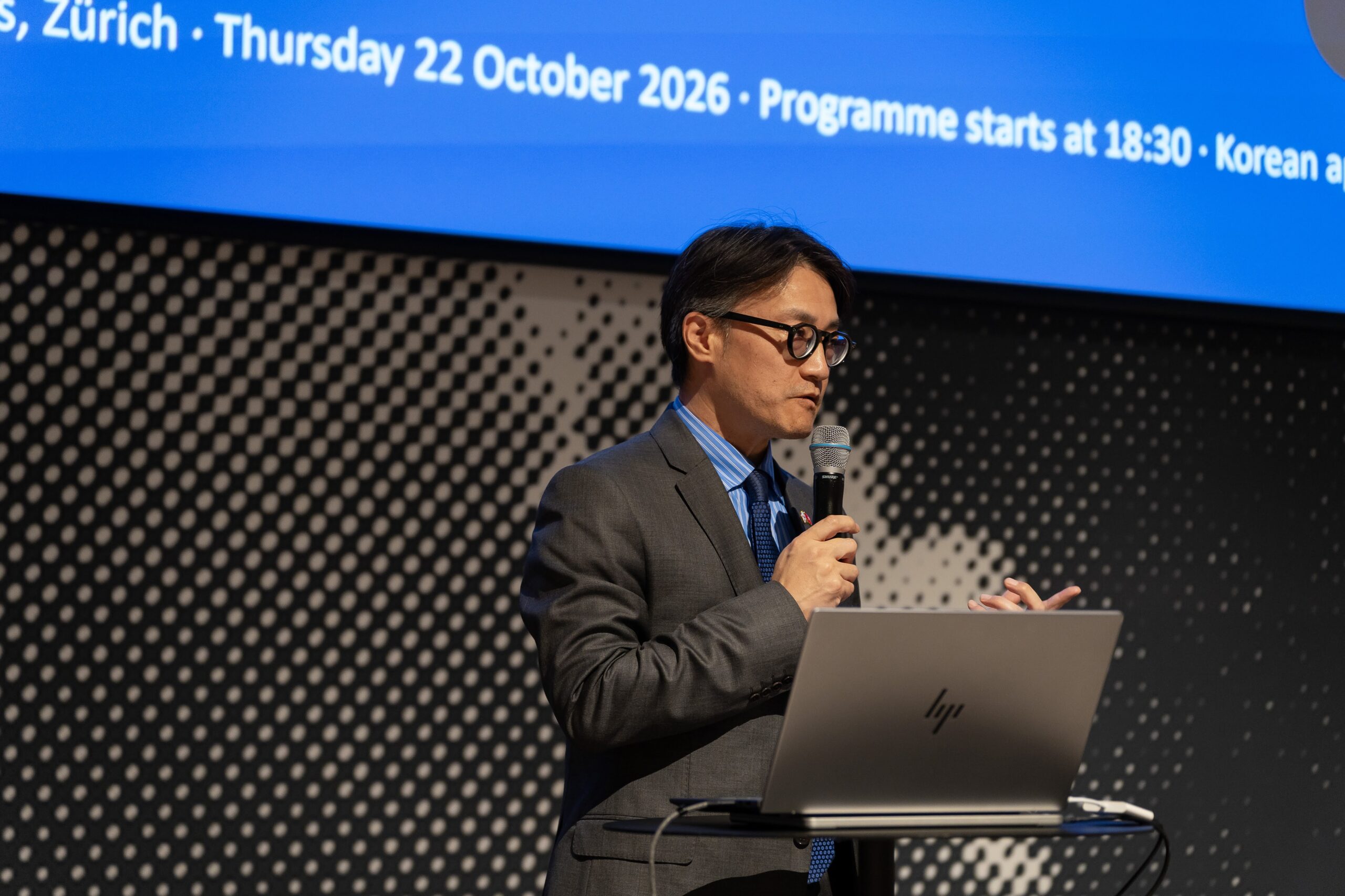
Ambassador Kim Taekyoon, who arrived in Bern a few months ago, opened without a script. He described two tracks of cooperation. The first is government to government, where the Embassy works with the Swiss foreign ministry, SECO and parliament. The second is people to people, as in this room. His hope is that the two together produce a third track: real economic and political collaboration. His offer to everyone present was direct. If you need the Embassy, ask.
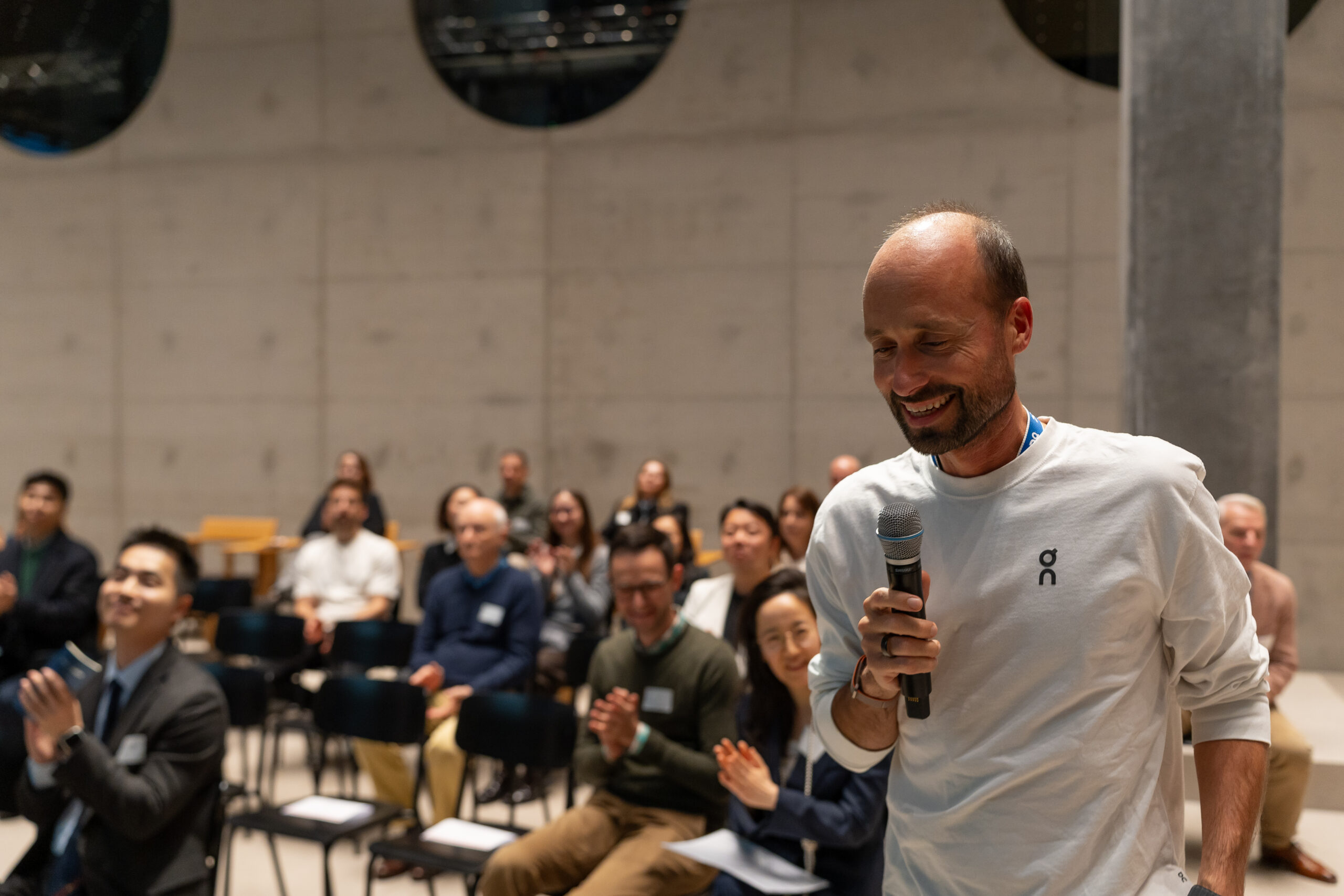
Christoph Kuehne, Senior Director Group Finance at On, then gave the evening its case study. LightSpray, the process in which a robot sprays a shoe upper in minutes instead of hundreds of manual steps, was developed in the lab next door. The robots now run in a factory in South Korea. A change made in Zürich can reach the machine in Korea within minutes.
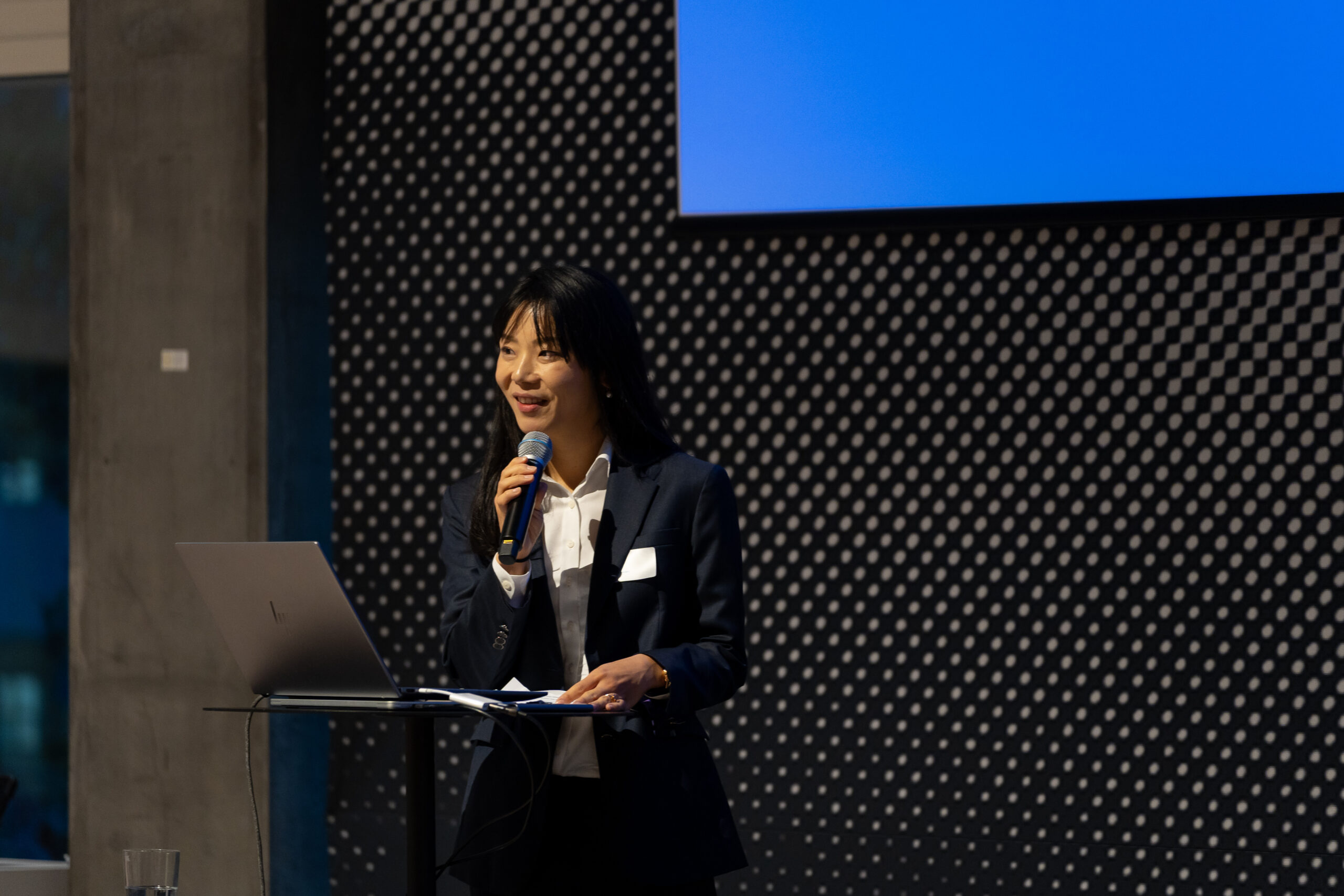
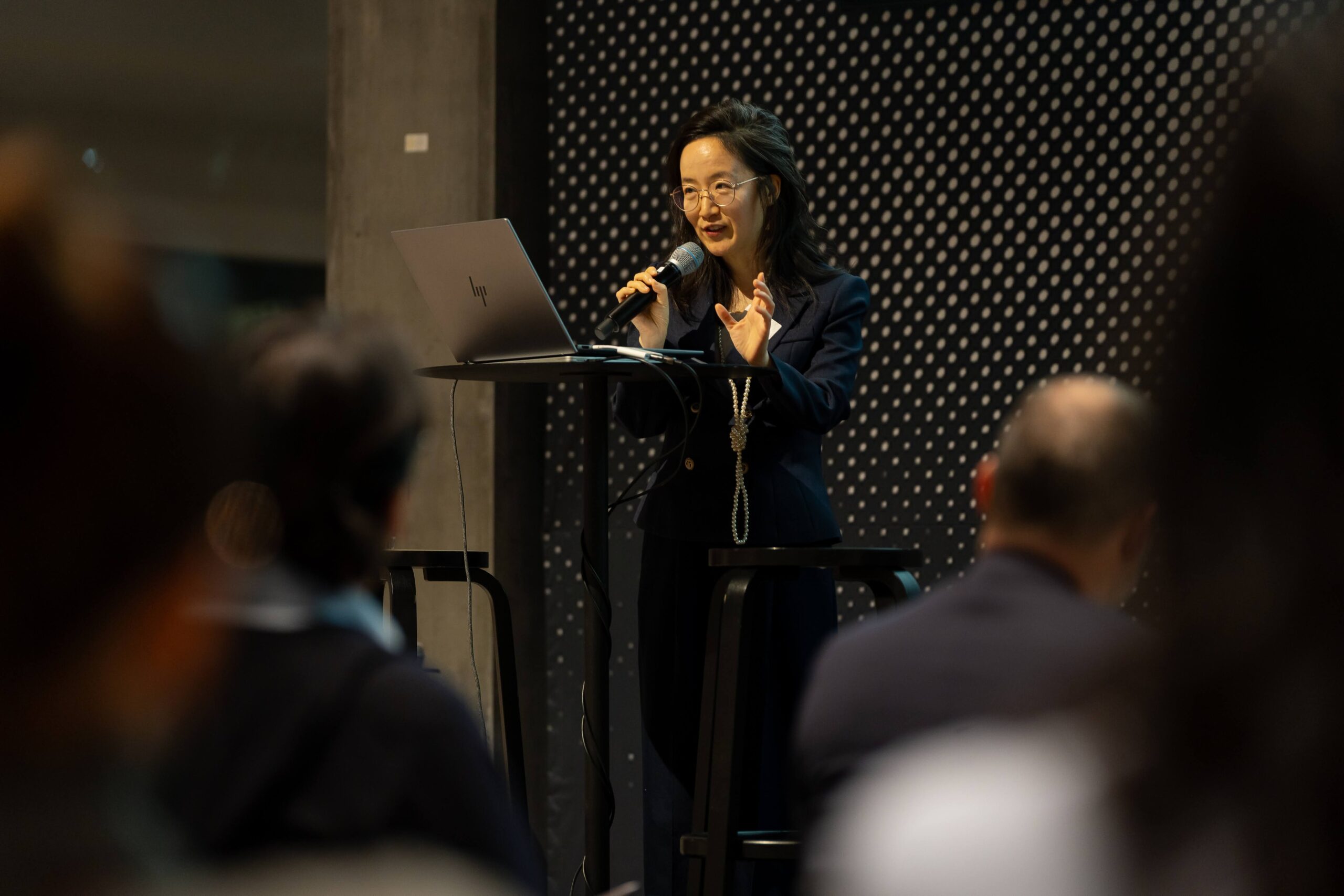
Suyoung Lee, Director General of KOTRA Zürich, explained why the pairing works. Switzerland brings precision and has led the Global Innovation Index for more than a decade. Korea brings speed and manufacturing scale. Swiss precision, she said, answers how to make something perfect. Korean speed answers how to make it relevant now. She also admitted, to laughter in the room, that a Korean doing business in Switzerland needs a good deal of patience.
What Doesn’t Make the PowerPoint
Three speakers then shared what usually stays out of the official presentation.
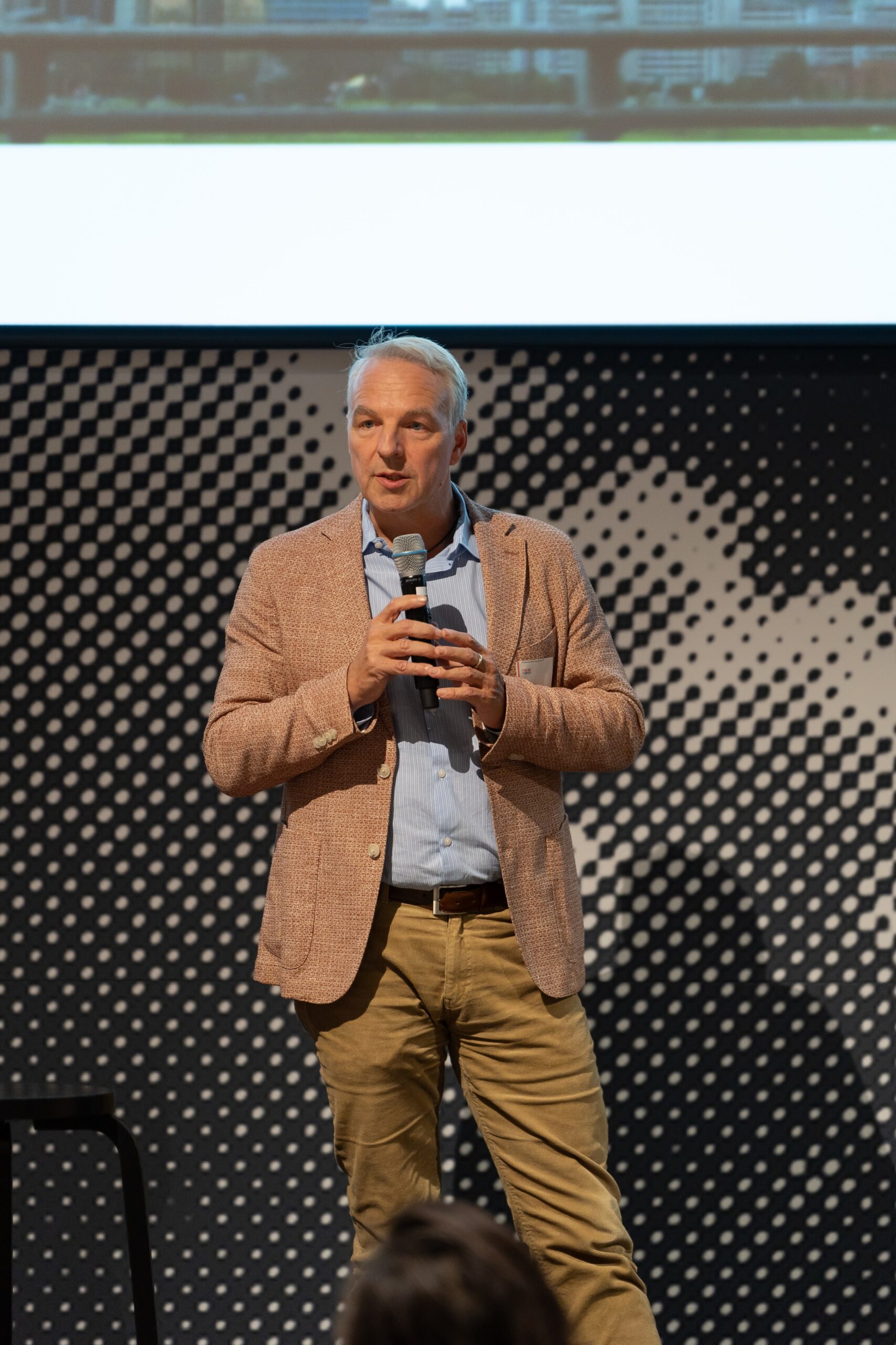
Josias Planta, Head of International Relations for the Canton of Basel-Stadt, spoke about the city partnership between Basel and Seoul, in place since 2022. Personal relationships matter, he said, but in Seoul a counterpart can rotate out within months, so continuity depends on reaching senior leaders and building a wider network around them. Priorities also emerged on the ground: when Seoul’s mayor visited Basel, his interest in architecture opened a whole new field of exchange. One ambitious proposal from Seoul stalled because Swiss approval processes could not match its timeline. His lesson: respond quickly, and explain early how Swiss processes work. The partnership itself never suffered.
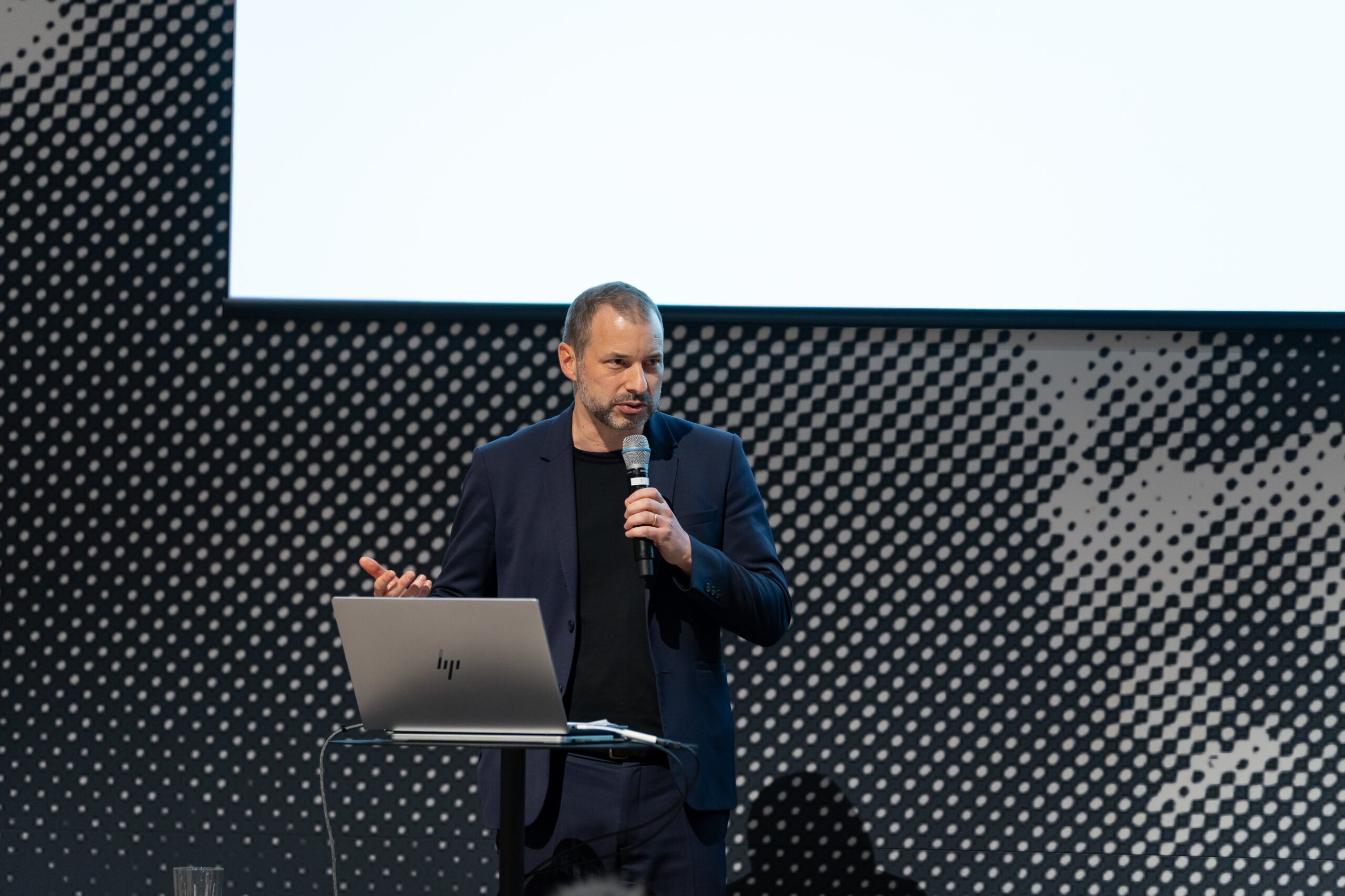
Adrian Schatzmann, CEO of the Asset Management Association Switzerland, moved to Seoul with his family in 2007 to help lead UBS‘s asset management joint venture with Hana, just as the financial crisis hit. His first strategy presentation met no objections, so he went home thinking business in Korea was easy. Weeks later, nothing had moved. Over dinner, a senior colleague told him the truth: the plan would not work, but no one would say so in the meeting. His advice: create settings where honest feedback is possible, and do not rely only on the colleagues whose English is best. What he would bring back to Switzerland is the team spirit he found in Seoul, where colleagues returned to the office at 11 p.m. because someone needed help. His children, now in their twenties, still say part of them lives in Korea.
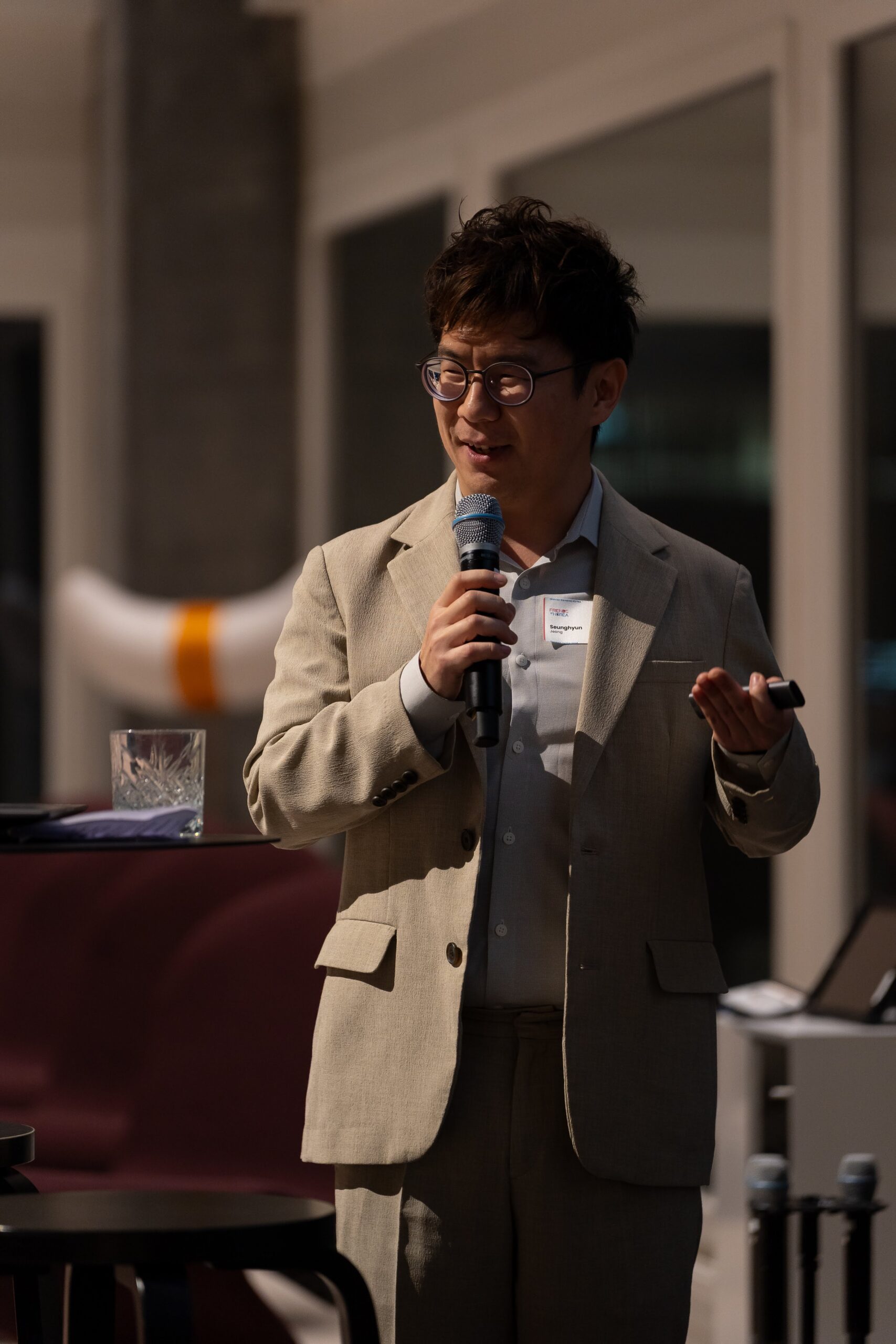
Seunghyun Jeong, CFO of Genesis Switzerland, looked at the same gap from the other side, as a Korean leading a business in Switzerland. Being entered in the commercial register, largely a formality in Korea, means real personal liability here. Swiss teams want the plan and the reasoning before they decide. An approved budget, which Swiss colleagues read as money to spend, is only a limit in a Korean group, with each expense approved again. In a tax audit, he followed his Swiss team’s advice to be fully transparent and found understanding instead of conflict. His image for the relationship: a Swiss watch, simple on the face and very precise inside.
Everything Starts with People
Michael Czwalina, Vice President of Friends of Korea, closed the talks with a simple thought:
“Everything starts with people. Everything starts with trust.”
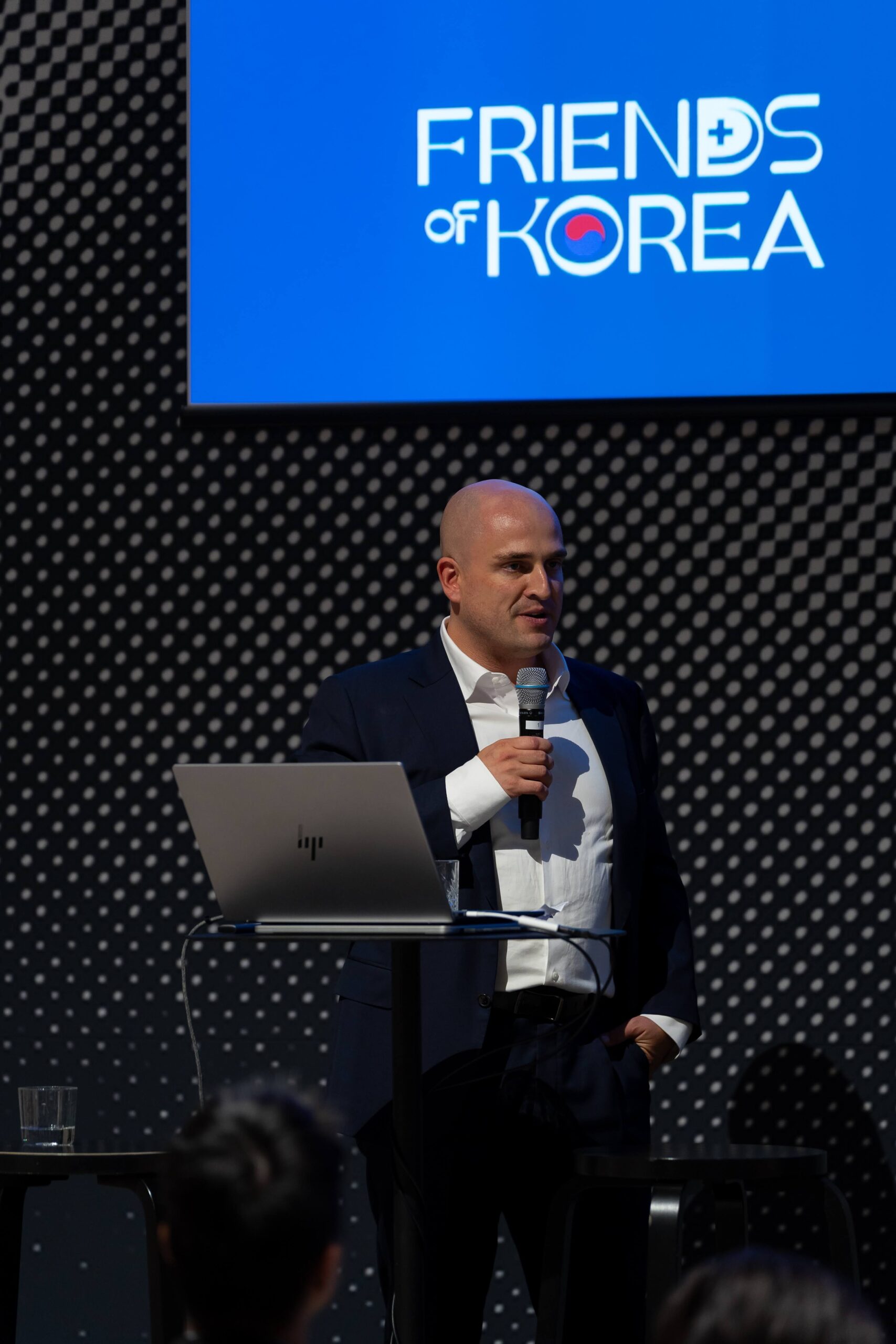
He thanked Timo Brandenberger, who has been part of this from the beginning and now leads Friends of Korea Zürich. Reliable and precise, as Michael put it, like a Swiss watch. Timo thanked On for hosting and said he looks forward to taking the collaboration between Korea and Switzerland to the next level, starting here in Zürich.
Around the Apéro
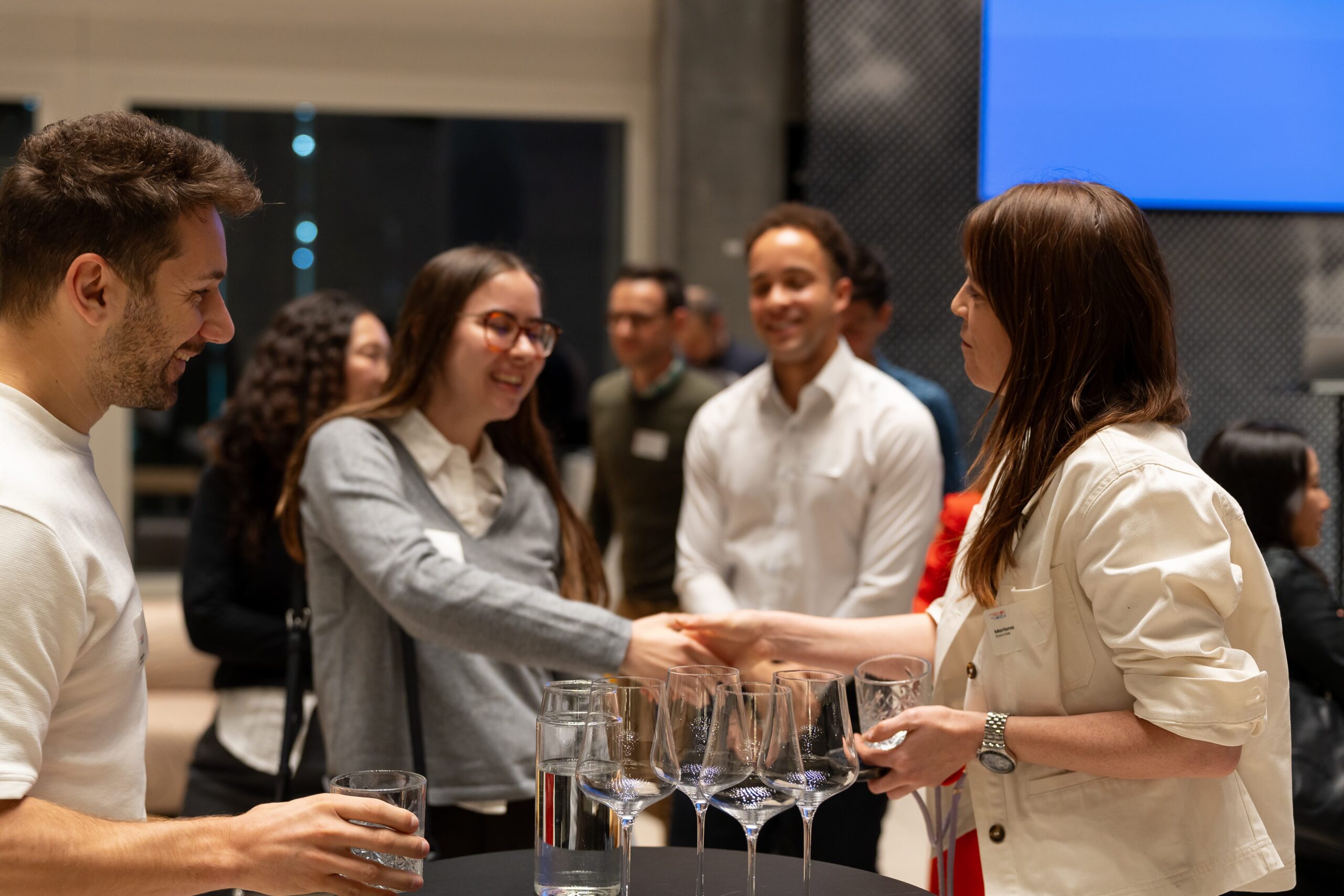
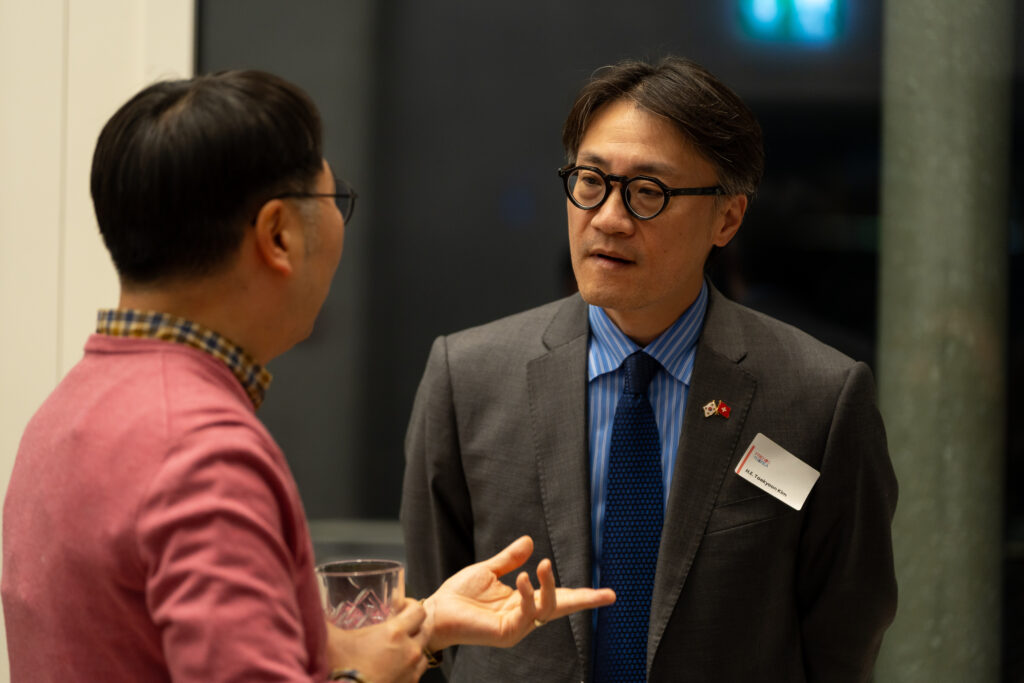
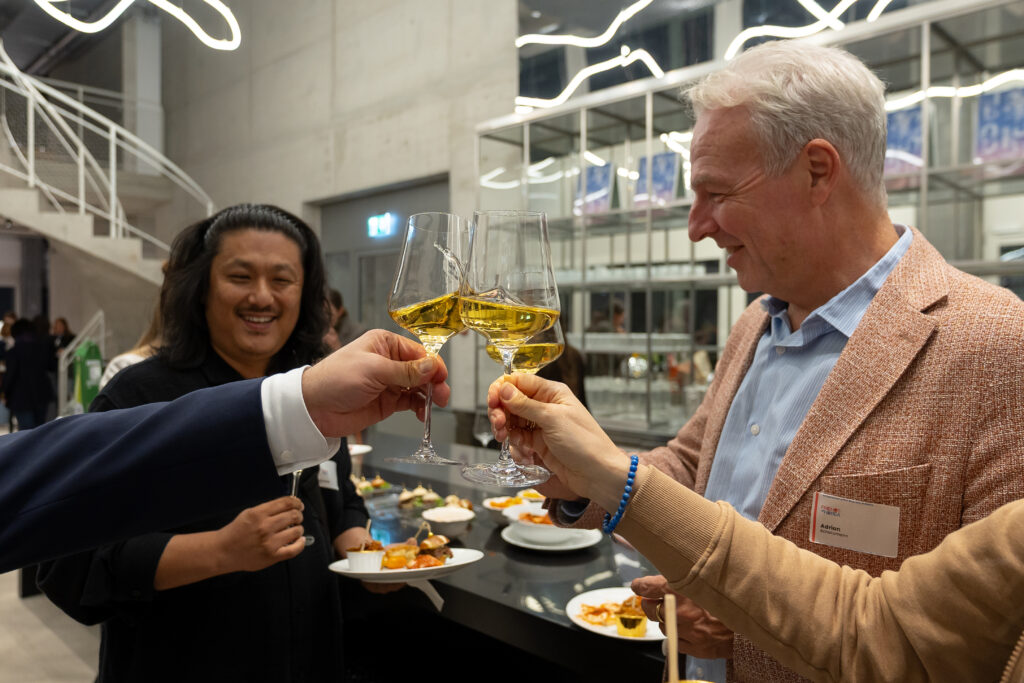
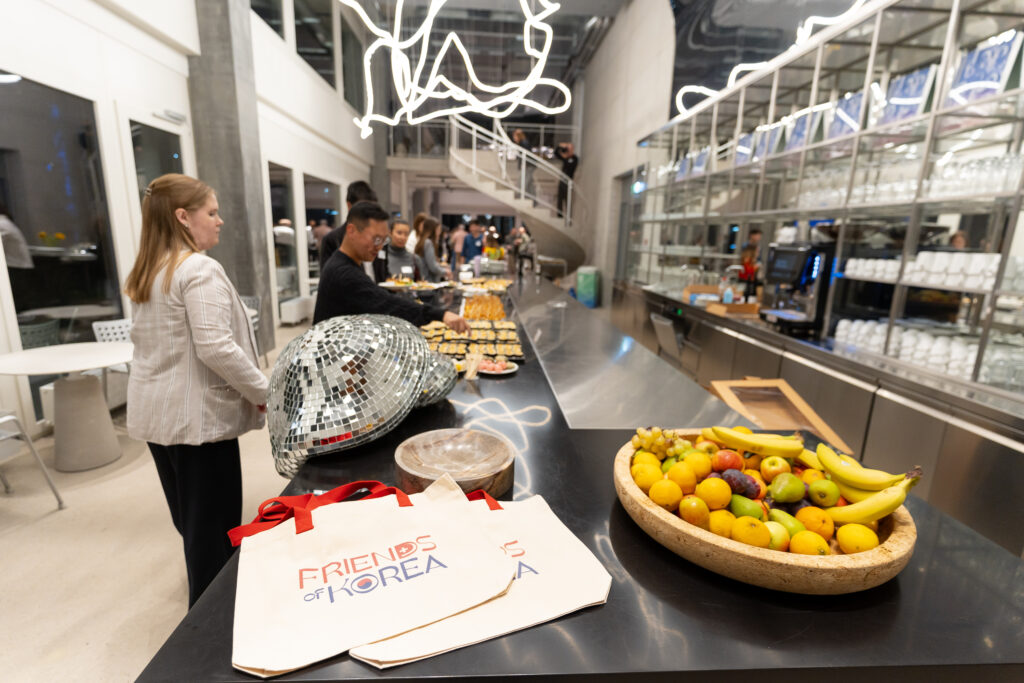
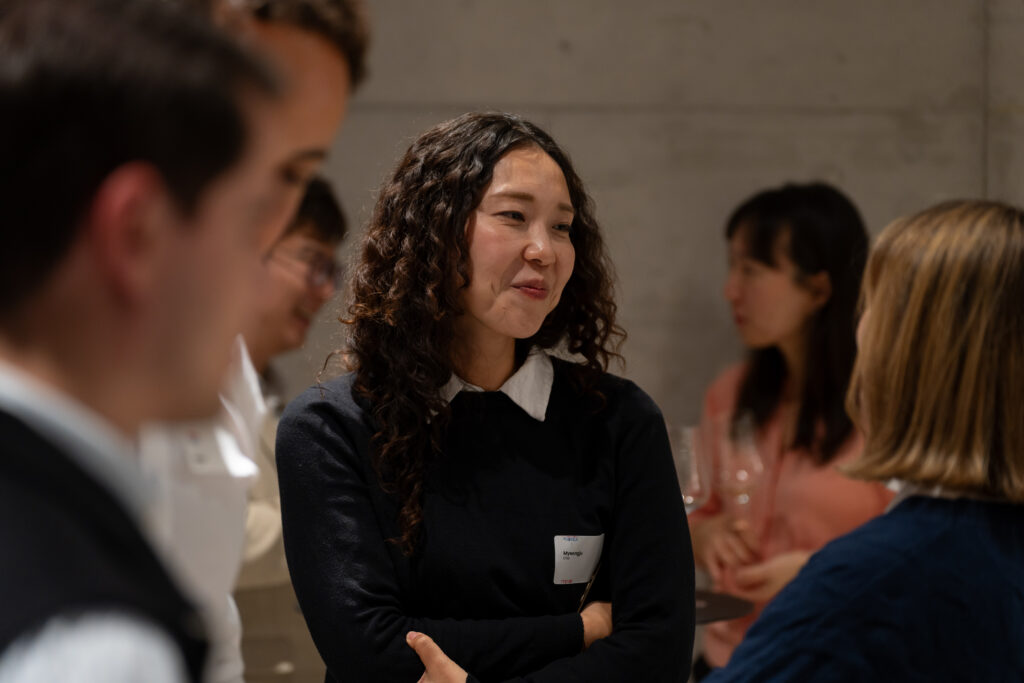
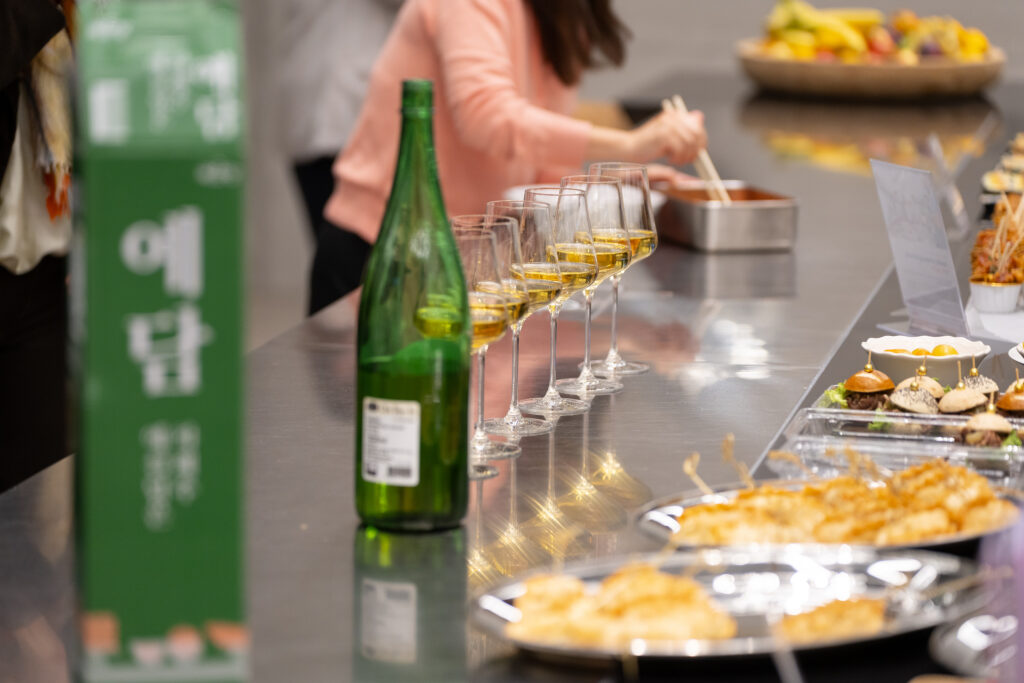
Then the conversation moved where it was meant to go. Over Akaraka‘s Korean apéro, business cards changed hands and the questions the speakers had raised carried on in smaller circles.
With Thanks to Our Sponsors and Partners
We thank our sponsors, UFS Insurance Broker AG and Czwalina Consulting AG, for helping make this evening possible.
UFS supported the evening from the start, and Timo Brandenberger’s commitment helped bring us to On Labs. Czwalina Consulting is a long-standing partner of Friends of Korea, and we are grateful for its continued support of our work and this event.
Our thanks also go to On for welcoming us to On Labs, to Ambassador Kim Taekyoon and the Embassy of the Republic of Korea, to KOTRA Zürich and all our speakers, to Viswerk and Akaraka, to photographer Charlie Hui, and to everyone who joined us.
See you in Zürich.
Photos: Charlie Hui, Viswerk